Are You Measuring What Actually Matters on Social Media?
You may be posting regularly, getting likes, and even gaining followers – but the real question is: are those numbers helping your business grow?
In 2026, social media success is no longer about vanity metrics. It’s about understanding what truly drives engagement, trust, and conversions.
Social analytics helps you track user behavior, content performance, and audience interest so that every post you publish supports real business goals, not just visibility.
Social analytics metrics are data points that track how people interact with your content across various platforms, including Instagram, Facebook, LinkedIn, and YouTube.
These social analytics metrics tell you what’s working, what’s not, and where you should invest more time and budget. Instead of guessing, you make decisions based on actual performance data, leading to better content, smarter campaigns, and a higher ROI.
A Quick Story
Imagine two brands that post the same number of times every week.
Brand A posts based on guesses. They hope the content works, but they don’t really know what their audience likes.
Brand B checks its analytics every week. They look at which posts people save, share, click on, and respond to. Then they use that information to improve their next posts.
After three months, Brand B gets more engagement, more leads, and better sales — even though both brands posted the same amount.
The difference isn’t working harder.
The difference is using data to make smarter decisions.
Why Social Analytics Metrics Matter More Than Ever in 2026
That’s why tracking the right social media analytics matters in 2026.
Social media is more crowded than ever. Platforms rely heavily on algorithms, organic reach is harder to get, and people scroll fast. Users only stop for content that feels useful or interesting to them.
If you don’t track how your content performs, you’re basically posting blindly and hoping for the best.
When you track the right metrics, you can:
- See what type of content your audience actually enjoys
- Create posts that get more likes, comments, and shares
- Know which posts bring traffic, leads, or sales
- Stop wasting time on content that doesn’t work
- Improve your paid ads and promotions
- Connect your social media efforts to real business results
How Social Analytics Metrics Actually Work
Every time someone likes, comments, saves, clicks, or watches your content, platforms record that action.
These actions are grouped into categories such as engagement, reach, traffic, and conversions. Social media tools and platform dashboards then turn this data into reports that show trends over time.
By analyzing these patterns, you can answer important questions like:
- Which content formats perform best (reels, carousels, static posts)?
- What posting time gets the most engagement?
- Which platform brings more website traffic?
- What topics lead to inquiries or purchases?
When reviewed consistently, analytics helps you move from random posting to intentional content planning.
Key Social Analytics Metrics You Should Track in 2026
1. Engagement Rate (It’s More Than Just Likes)
Engagement rate shows how much people actually care about your content. It’s not only about likes – It also includes comments, shares, and saves.
When someone comments, shares your post, or saves it for later, it’s a strong sign that your content is useful, interesting, or relatable.
In 2026, social media platforms push content that people interact with – not content they quickly scroll past. Posts that spark conversations or get saved usually reach more people.
What you should do:
Look at the posts that get the most comments, shares, and saves. Then create more content around similar topics and use a similar style.
2. Reach vs. Impressions (Knowing the Difference Matters)
Reach tells you how many unique people saw your post.
Impressions show how many times your post was seen in total – even if the same person saw it more than once.
Both numbers are important, but they tell different stories. Reach helps you grow your audience, while impressions show how often your current audience is seeing your content.
If your impressions are deep but reach is low, it usually means the same people keep seeing your posts – but new users aren’t discovering you yet.
What you should do:
Use reels, trending topics, and shareable content to attract new people, while still posting valuable content for your existing followers.
3. Profile Visits and Quality Follower Growth
Having a big follower count looks nice, but what matters more is whether the right people are following you.
When someone visits your profile, it means your content caught their attention. When they follow you, it means they want to see more from you in the future.
That’s a strong signal that your content is attracting the right audience – not just random views.
What you should do:
Check which posts bring the most profile visits and new followers. Then create more content like that to attract people who are genuinely interested in your brand.
4. Click-Through Rate (CTR) Turning Views into Action
CTR shows how many people clicked on your website link, WhatsApp button, booking page, or any link from your social media.
This tells you if your social media is helping people move from just watching to actually taking action.
In 2026, social media is not only for branding, but it is also a big source of website visits and leads.What you should do:
Check which posts bring more clicks and use clear action words like “Book Now”, “Learn More”, or “Contact Us” in your captions and stories.
What You Should Do to Improve Your Social Analytics Strategy
Start by setting clear goals: awareness, engagement, traffic, or sales. Then match metrics to those goals. Track weekly performance for content improvements and monthly trends for strategic changes.
Use tools like:
- Native platform analytics (Instagram, LinkedIn, Facebook, YouTube)
- Google Analytics for traffic tracking
- Social media management tools for reporting and scheduling
Most importantly, don’t just collect data – act on it. Analytics only works when it changes how you plan and create content.
Your Next Step: Turn Data into Strategy
If you are already posting consistently, your next growth phase comes from smarter optimization, not more content. Start reviewing what performs best, refine your messaging, improve your visuals, and focus on audience needs.
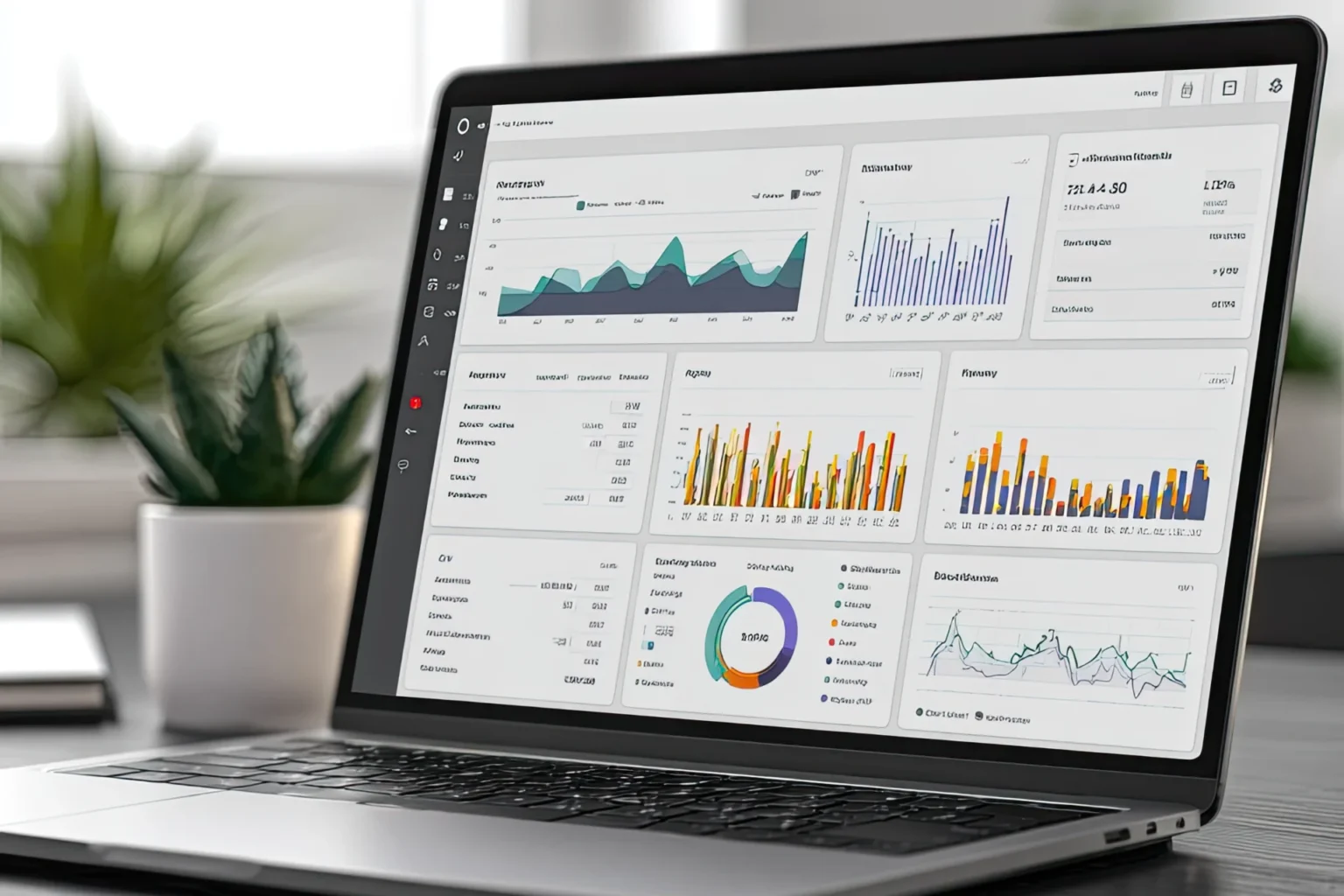
If you want to scale your social presence, increase qualified leads, and build a strong digital brand, your analytics dashboard should guide every content decision.
Conclusion: Don’t Overthink – But Don’t Ignore the Numbers
Social analytics is not about complicated spreadsheets or technical reports. It’s about understanding people – what they like, what they ignore, and what makes them take action.
In 2026, successful brands will combine creativity with data. They will tell better stories, backed by real insights. If you start tracking the right social analytics metrics today and adjust your strategy consistently, you will not only grow your followers – you will grow your business.
Don’t overthink. Just start tracking, testing, and improving. The results will follow.
Tracking the right metrics in 2026 helps you make smarter decisions, create stronger content, and build lasting relationships with your audience. If you’re ready to take your social performance to the next level, SkyFish is here with the tools and expertise to support your long-term success.